What is Women’s Day and Why Do We Celebrate It?
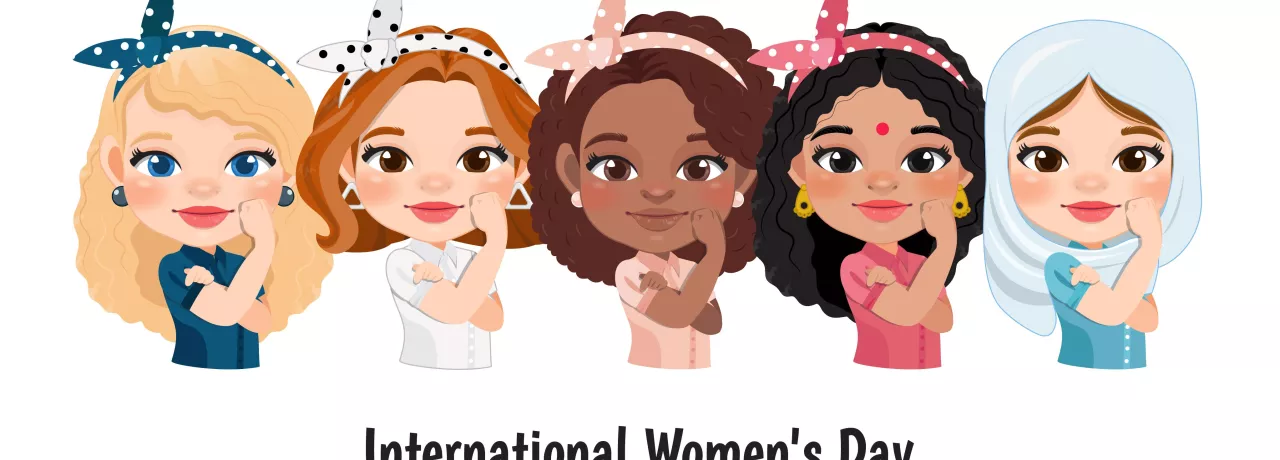
Millions of women go to work every day with the hope of being recognized, respected, and given equal opportunities to grow. Yet gender equality and genuine wellbeing remain work in progress—even in some of the most progressive organizations worldwide.
International Women’s Day 2026 is not just another date on the calendar. It serves as a powerful reminder for HR leaders and organizations to drive meaningful change in workplace culture, improve gender equity, and unlock the potential of every employee. By taking thoughtful actions, companies can create environments where women feel supported, empowered, and able to thrive professionally and personally.
Key Takeaways & Figures
- International Women’s Day (IWD) is celebrated globally on March 8 to promote gender equality and celebrate women’s achievements.
- Women represent roughly 32% of managers globally and only around 8% of CEOs, while the global gender pay gap remains close to 20%.
- Organizations with gender-diverse leadership teams are up to 25% more likely to outperform competitors in profitability.
- Effective HR initiatives include transparent pay audits, flexible benefits, leadership support, and allyship training.
- Workplace wellbeing platforms and flexible benefits help create more inclusive environments where all employees can succeed.
International Women Day: A Brief History and Its Global Significance
International Women’s Day (IWD) began more than a century ago as women around the world advocated for fair wages, safe working conditions, and voting rights. The first official observance took place in 1911, with rallies across Europe and North America highlighting gender inequality issues.
Today, IWD is celebrated annually on March 8 and has evolved into a global movement that unites people in support of gender equality and women’s empowerment.
More than 100 countries participate in International Women’s Day activities, and over 25 nations recognize it as an official holiday. Annual campaign themes—such as #EmbraceEquity and #ChooseToChallenge—encourage organizations and individuals to highlight achievements, address inequality, and accelerate progress.
For HR leaders, International Women’s Day represents more than a symbolic celebration. It is an opportunity to review policies, encourage meaningful discussions, and build workplace cultures where women are seen, heard, and empowered.
Why Gender Equality and Women’s Wellbeing Matter in the Workplace
Gender equality is not only a moral responsibility but also a proven driver of business performance and employee wellbeing.
The business case for gender equality:
- Organizations with greater gender diversity in leadership are significantly more likely to outperform competitors in profitability.
- Diverse teams are more innovative and better equipped to adapt to market changes.
- Balanced workplaces often experience stronger employee engagement, satisfaction, and retention.
The wellbeing impact:
- Women who experience inclusive work environments report significantly higher job satisfaction.
- Gender-equitable policies can reduce burnout and absenteeism, especially for employees balancing work and caregiving responsibilities.
- Closing the global gender gap could add trillions of dollars to the world economy by 2030 according to economic projections.
Today’s workforce—especially younger generations—expects employers to actively support diversity, equity, and inclusion initiatives. Organizations that prioritize gender equality often strengthen their reputation as responsible employers.
The Real Challenges Women Face in Modern Workplaces
Despite progress, many women continue to encounter structural and cultural barriers that affect career growth and wellbeing.
Pay inequality and career advancement barriers:
- Women globally still earn less on average compared with men in similar roles.
- Representation in senior leadership positions remains limited.
- Structural barriers such as the “glass ceiling” and “broken rung” often restrict career advancement opportunities.
Workplace bias and microaggressions:
- Subtle biases during meetings, performance reviews, and daily interactions can undermine confidence and belonging.
- Microaggressions—small comments or behaviors reinforcing stereotypes—can accumulate and affect workplace wellbeing.
- Unconscious bias in evaluation systems may slow promotion opportunities.
Work-life balance challenges:
- Women frequently carry a larger share of caregiving responsibilities outside work.
- Working mothers often face the “motherhood penalty,” where family commitments affect perceived dedication.
- Lack of flexible policies or childcare support may push talented professionals out of the workforce.
Recognizing these realities is the first step toward creating more equitable workplaces.
Turning Awareness into Action: How HR Leaders Can Make Women’s Day Meaningful
International Women’s Day provides an opportunity for organizations to move beyond awareness and create lasting change.
1. Strengthen workplace policies
- Conduct regular pay equity audits.
- Ensure transparent promotion and career development pathways.
- Expand parental leave and caregiving support policies.
2. Design benefits that reflect real needs
- Provide flexible work arrangements such as remote or hybrid work options.
- Expand access to mental health and wellbeing programs.
- Offer childcare support or family-friendly policies.
3. Promote an inclusive culture
- Provide training on unconscious bias and allyship.
- Encourage leaders to openly advocate for gender equality.
- Celebrate female role models across the organization.
4. Foster community and mentorship
- Support employee resource groups and mentorship programs.
- Host listening sessions to understand employee experiences.
5. Track progress
- Set measurable diversity goals and monitor progress regularly.
- Share updates transparently to build trust and accountability.
Through these actions, HR leaders can transform International Women’s Day into a catalyst for long-term change.
Expert Insight: Lessons from Supporting Inclusive Workplaces
Organizations that successfully create inclusive environments often start with honest reflection and open dialogue.
Key lessons from supporting inclusive workplaces include:
- Listen first: Employees often provide the best insights about workplace challenges and opportunities for improvement.
- Start small but act consistently: Even modest initiatives—such as revising biased language in job descriptions—can drive cultural change.
- Leadership visibility matters: When senior leaders actively support gender equality, the message resonates across the organization.
- Keep the conversation ongoing: Gender equality is not a one-day discussion but an ongoing commitment.
Empathy, transparency, and action are the foundations of meaningful change.
Supporting Gender Equity and Wellbeing with the Right Workplace Solutions
Creating inclusive workplaces requires the right policies, tools, and benefits that support employees throughout their careers.
Modern employee benefit platforms can help organizations implement inclusive initiatives through:
- Flexible benefits that allow employees to choose support for childcare, wellness, or professional development.
- Caregiver support programs that help employees balance professional and personal responsibilities.
- Mental health and wellbeing resources tailored to diverse workplace needs.
- Data insights that help HR teams monitor wellbeing trends and program usage.
When organizations integrate these solutions with broader diversity and inclusion strategies, they create environments where all employees can succeed.
FAQ:
Why is International Women’s Day important in the workplace?
International Women’s Day highlights the importance of gender equality, celebrates women’s achievements, and encourages organizations to address workplace barriers that affect women’s career growth and wellbeing.
What are the most common challenges women face at work?
Key challenges include the gender pay gap, limited leadership representation, unconscious bias, workplace microaggressions, and difficulties balancing professional and caregiving responsibilities.
How can HR leaders support women in the workplace?
HR leaders can promote gender equity through pay transparency, inclusive policies, flexible work arrangements, mentorship programs, and wellbeing initiatives.
What actions can organizations take on International Women’s Day?
Organizations can host inclusive events, highlight women leaders, review diversity policies, launch mentorship initiatives, and publicly commit to measurable gender equity goals.
Conclusion & Next Steps
International Women’s Day 2026 offers organizations an opportunity to reaffirm their commitment to gender equality and workplace wellbeing.
By taking meaningful actions—such as improving policies, promoting inclusive cultures, and supporting employee wellbeing—HR leaders can create environments where women feel respected, valued, and empowered to succeed.
Real progress begins with intentional steps taken consistently over time. When organizations invest in equality and inclusion, they build workplaces where every employee has the opportunity to thrive.


Related articles