HR Full Form: Human Resources Meaning, Roles, Functions and Career Scope
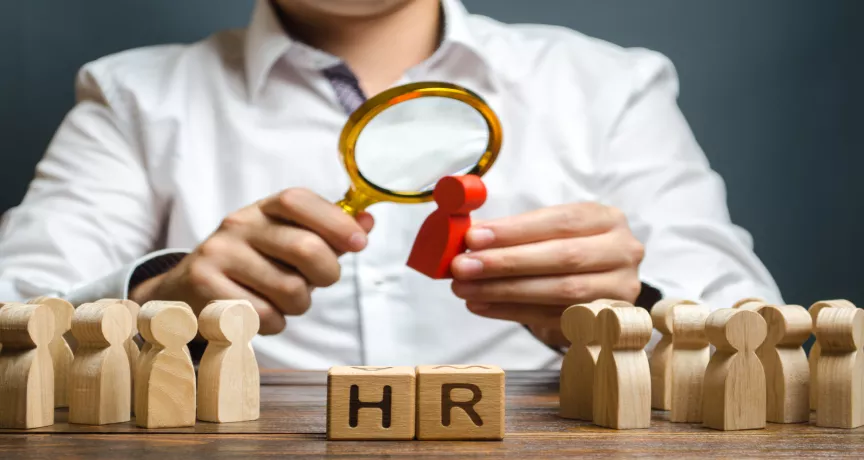
HR full form is Human Resources. It refers to the business function that manages and supports people across the employee lifecycle, from hiring and onboarding to development, engagement, compensation, workplace support and exit.
But HR today goes far beyond administration. Modern HR teams help organisations attract talent, build stronger workplace cultures, support employee wellbeing and connect people strategy with business goals.
For students, employees, managers and aspiring HR professionals in India, understanding HR means understanding how organisations support their people and create better employee experiences.
Key Takeaways & figures
- HR stands for Human Resources.
- HR supports the employee lifecycle, from workforce planning and recruitment to development, engagement and exit.
- Core HR functions include recruitment, onboarding, compensation and benefits, performance management, learning and development, employee relations and HR compliance.
- Common HR roles include HR Generalist, Recruiter, HR Operations Specialist, L&D Specialist, Compensation and Benefits Specialist, HR Business Partner, HR Manager and CHRO.
- Modern HR increasingly combines people skills, business understanding, data and digital technology.
- Common HR technologies include HRMS, HRIS, ATS and LMS platforms.
- In smaller organisations, one person may manage several HR responsibilities. Larger organisations usually divide HR into specialist functions.
- Strong HR practices can support employee engagement, retention, productivity and a more consistent employee experience.
What Is the Full Form of HR?
HR full form is Human Resources. In a company, HR refers to the function responsible for managing and supporting employees throughout their journey with the organisation, from recruitment and onboarding to development, engagement and exit.
The term is also commonly used for the people who perform these responsibilities. For example, an HR professional may recruit employees, coordinate benefits, support performance management or help managers resolve workplace issues.
What Is the Meaning of Human Resources?
Human Resources is the function that helps an organisation manage its people, workplace practices and employee experience while supporting wider business goals.
HR responsibilities can include:
- Workforce planning and recruitment
- Employee onboarding
- Payroll coordination
- Compensation and employee benefits
- Learning and development
- Performance management
- Employee engagement
- Employee relations
- HR policies and compliance
- Employee wellbeing
- Workforce data and HR analytics
- Offboarding and exit processes
The exact scope varies by organisation. In a smaller business, one HR professional may handle several of these responsibilities. In a larger company, specialised teams may manage areas such as recruitment, learning and development, compensation and benefits, or employee relations.
What Is the Difference Between HR, HRM and HRD?
Although HR, HRM and HRD are closely connected, they do not mean exactly the same thing.
|
Term |
Full Form |
What It Means |
|
HR |
Human Resources |
The overall function or department responsible for people-related activities in an organisation |
|
HRM |
Human Resource Management |
The practices and processes used to manage employees and align people with organisational goals |
|
HRD |
Human Resource Development |
The area focused primarily on developing employees' skills, capabilities and professional growth |
Put simply, HR is the broader people function, HRM describes how people are managed, and HRD focuses more specifically on helping people learn and develop.
Understanding this distinction becomes increasingly important as HR moves beyond administrative activities. Modern HR teams contribute to employee experience, engagement, talent development and the organisation's broader people strategy.
What Does HR Mean in a Company?
HR is the function that connects an organisation's people needs with its business goals. It helps companies find the right talent, support employees at work, develop skills, manage people processes and create an environment where employees can contribute effectively.
Think of HR as a function that works across the entire employee lifecycle, rather than only stepping in when a company needs to hire someone or manage payroll.
What Does the HR Department Do Every Day?
HR responsibilities begin before an employee joins and continue until they leave the organisation.
A typical employee lifecycle looks like this:
Plan → Hire → Onboard → Support → Develop → Engage → Retain → Exit
At different stages, HR may:
- Plan: Identify workforce and skill requirements based on business needs.
- Hire: Source, assess and recruit suitable candidates.
- Onboard: Help new employees understand their roles, policies, benefits and workplace.
- Support: Coordinate compensation, benefits, employee queries and essential HR processes.
- Develop: Build employee capabilities through learning, feedback and career development.
- Engage: Create initiatives that strengthen employee experience, recognition and connection.
- Retain: Understand employee needs and support strategies that encourage valuable talent to stay.
- Exit: Manage resignations, documentation, knowledge transfer and employee offboarding.
Every important stage of an employee's relationship with an organisation can involve HR.
How Does HR Support Employees and Managers?
HR works with both employees and business leaders.
For employees, HR can provide clarity around policies, compensation and benefits, development opportunities, workplace concerns and other aspects of the employee experience.
For managers, HR can support recruitment, workforce planning, performance conversations, employee development and people-related decisions.
The goal is not simply to manage HR processes. It is to make those processes clear, consistent and useful for both people and the business.
How Is HR Different in a Small Business and a Large Company?
The purpose of HR remains similar, but the way responsibilities are organised can change significantly with company size.
|
Small or Growing Business |
Larger Organisation |
|
One person may manage multiple HR activities |
HR responsibilities are often divided among specialist teams |
|
HR may overlap with finance, administration or operations |
Dedicated HR departments are more common |
|
Processes may be simpler and more flexible |
Processes tend to be more structured and standardised |
|
HR professionals often work as generalists |
Specialists may focus on recruitment, L&D, compensation, employee relations or other areas |
|
External partners and digital tools can support internal capacity |
Dedicated HR technology and specialist teams may manage different processes |
For SMEs in particular, HR responsibilities do not always sit with a dedicated HR team. Depending on the organisation's size and maturity, finance, administration or business leadership may manage some people-related activities.
Expert Insight: HR Works Best When It Understands the Business
In my experience, effective HR starts with understanding what both employees and the business need.
I recommend looking beyond individual HR processes. Recruitment, benefits, learning, performance and employee engagement are interconnected parts of the same employee experience.
When HR connects these areas instead of treating them as isolated tasks, it can become a stronger partner to employees, managers and business leaders.
Why Is Human Resources Important?
Human Resources is important because business performance depends on people. HR helps organisations attract the right talent, build employee capabilities, strengthen engagement, manage workplace practices and create an employee experience that supports both people and business goals.
As organisations grow, these responsibilities become increasingly connected. Hiring the right person matters, but so do onboarding, development, recognition, benefits, wellbeing and opportunities to grow.
How Does HR Help an Organisation?
HR supports an organisation across several critical areas:
- Attracting talent: Finding people with the skills and potential the business needs.
- Building a strong onboarding experience: Helping new employees understand their roles, workplace and available support.
- Developing skills: Identifying capability gaps and creating learning opportunities.
- Managing performance: Supporting clear goals, feedback and performance conversations.
- Supporting compensation and benefits: Helping organisations structure and administer rewards that matter to employees.
- Strengthening employee engagement: Creating opportunities for employees to feel recognised, connected and involved.
- Improving employee experience: Making interactions with workplace processes simpler and more meaningful.
- Supporting employee wellbeing: Helping build a workplace that considers employees' wider needs.
- Managing employee relations: Supporting communication and helping address workplace concerns consistently.
- Supporting HR compliance: Maintaining policies, processes and employee records in line with applicable requirements.
- Using workforce insights: Turning HR data and employee feedback into better-informed people decisions.
Together, these responsibilities help HR create conditions in which employees can contribute effectively and organisations can grow sustainably.
How Does HR Contribute to Business Growth?
HR contributes to growth by helping a company build the workforce and capabilities needed to execute its strategy.
For example, when a business enters a new market, launches a new service or adopts new technology, it may need different skills. HR can help identify those needs, recruit talent, develop existing employees and support managers through change.
HR can also help leaders understand people-related signals such as:
- Employee turnover and retention
- Recruitment and time-to-hire
- Skills and capability gaps
- Absenteeism
- Learning participation
- Employee engagement
- Internal mobility
- Workforce costs
- Benefits participation and utilisation
These insights can turn HR data into practical business decisions.
Why Is Employee Experience Important to HR?
Employee experience is the sum of the interactions employees have with an organisation throughout their journey at work.
That can include recruitment, onboarding, workplace tools, relationships with managers, learning, recognition, benefits and everyday HR processes.
This is why employee experience cannot be reduced to a single engagement activity. HR has an opportunity to connect these different moments so employees experience a workplace that feels more consistent, supportive and relevant to their needs.
HR Is Becoming a More Strategic Business Partner
Administrative responsibilities remain important, but the scope of HR continues to expand.
Modern HR teams increasingly work with leadership on questions such as:
- What skills will our organisation need next?
- How can we attract and retain the people we need?
- How can we improve the employee experience?
- Which benefits are most relevant to our workforce?
- How can managers better support their teams?
- Where can technology simplify repetitive HR processes?
- What does workforce data tell us about our people priorities?
In my experience, HR creates the most value when people strategy and business strategy work together.
That combination moves HR beyond managing processes and positions it as an active contributor to the future of the organisation.
What Are the Main Functions of HR?
The main functions of HR include workforce planning and recruitment, onboarding, compensation and benefits, performance management, learning and development, employee engagement, employee relations, HR compliance, employee wellbeing and workforce analytics.
The exact responsibilities vary by organisation. Together, these functions help manage the employee lifecycle and connect workforce needs with business priorities.
1. Workforce Planning and Recruitment
HR helps organisations understand how many people they need, which skills they require and where talent gaps exist.
Recruitment responsibilities may include:
- Creating job descriptions
- Sourcing candidates
- Screening applications
- Coordinating interviews
- Supporting candidate assessments
- Managing job offers
- Building talent pipelines
- Supporting workforce planning
Effective recruitment is not simply about filling vacancies. It is about finding people whose skills and potential match the organisation's current and future needs.
2. Employee Onboarding
Onboarding helps a new employee transition from candidate to contributing team member.
HR may coordinate:
- Joining documentation
- Employee records
- Company and policy orientation
- Payroll enrolment
- Benefits communication
- Workplace tools and access
- Induction programmes
- Initial learning requirements
A clear onboarding process helps employees understand their role, their workplace and the support available to them from the beginning.
3. Compensation, Payroll and Employee Benefits
Compensation and benefits are central parts of the employee value proposition.
HR may help manage or coordinate:
- Salary structures
- Payroll processes
- Incentives and bonuses
- Employee benefits
- Rewards and recognition
- Leave policies
- Insurance and wellbeing benefits
- Compensation reviews
Depending on the organisation, payroll may be managed by HR, finance, an external provider or a combination of teams.
Employee benefits also extend beyond salary. Organisations can use relevant benefits and rewards to support employees' everyday needs and create a more meaningful employee experience.
4. Performance Management
Performance management helps employees understand what is expected of them and how their work contributes to organisational goals.
HR can support:
- Goal setting
- Regular feedback
- Performance reviews
- Development discussions
- Performance improvement processes
- Recognition
- Career conversations
Modern performance management increasingly focuses on continuous conversations and development, rather than relying only on an annual appraisal.
5. Learning and Development
Learning and Development, commonly called L&D, helps employees build the skills they need today while preparing for future responsibilities.
Activities can include:
- Training programmes
- Technical and functional learning
- Leadership development
- Manager training
- Digital learning
- Upskilling and reskilling
- Career development
- Succession planning
For organisations facing changing skill requirements, L&D can connect employee growth with longer-term workforce needs.
6. Employee Engagement and Employee Experience
Employee engagement reflects the connection employees have with their work and organisation. Employee experience takes a broader view of what employees encounter throughout their journey at work.
HR may support these areas through:
- Employee feedback and surveys
- Recognition initiatives
- Internal communication
- Benefits programmes
- Workplace events
- Wellbeing initiatives
- Manager enablement
- Employee listening
Engagement is not created by one programme or perk. Employees experience the workplace through many connected moments.
7. Employee Relations
Employee relations focuses on maintaining constructive relationships between employees and the organisation.
HR responsibilities can include:
- Listening to employee concerns
- Supporting workplace communication
- Helping resolve conflicts
- Managing grievances
- Supporting disciplinary processes
- Advising managers
- Maintaining consistent workplace practices
Strong employee relations require clear processes alongside human judgement.
8. HR Policies and Compliance
HR helps organisations establish and maintain workplace policies and people processes in line with applicable requirements.
This can cover:
- Employment documentation
- Working conditions
- Leave and attendance
- Wages and compensation processes
- Workplace safety
- Social security requirements
- Prevention of workplace harassment
- Employee records
- Grievance and disciplinary procedures
In India, HR teams need to stay informed about changes in employment and labour regulations and assess how those changes affect their organisation.
Specific obligations can depend on the applicable law, location, establishment and workforce. Organisations should obtain appropriate professional advice when interpreting legal requirements.
9. Employee Wellbeing
Employee wellbeing has become an increasingly important part of the HR agenda.
Depending on the organisation, initiatives may address:
- Physical wellbeing
- Mental and emotional wellbeing
- Financial wellbeing
- Work-life needs
- Workplace safety
- Access to relevant employee benefits
The objective is not simply to introduce more programmes. HR should understand what employees need and make available support easy to understand, access and use.
10. HR Data and People Analytics
HR teams increasingly use data to understand workforce patterns and make better-informed decisions.
Common HR metrics include:
- Headcount
- Employee turnover
- Retention
- Absenteeism
- Time-to-hire
- Cost-per-hire
- Internal mobility
- Learning participation
- Employee engagement
- Benefits participation
People Analytics can help HR move from asking "What happened?" to "What should we do next?"
Technology makes this analysis easier, but data alone does not make a good people decision. HR teams can create more value by combining workforce data with employee feedback, business context and human judgement.
What Are the Different Types of HR Roles?
Common HR roles include HR Generalist, HR Operations Specialist, Recruiter, Talent Acquisition Specialist, L&D Specialist, Compensation and Benefits Specialist, Employee Relations Specialist, HR Business Partner, People Analytics Specialist, HR Manager and CHRO.
Some professionals work across several HR functions, while others specialise in one area.
Common HR Roles and Responsibilities
|
HR Role |
Primary Responsibility |
Key Skills |
|
HR Generalist |
Supports multiple HR functions across the employee lifecycle |
Communication, HR processes, problem-solving |
|
HR Operations |
Manages day-to-day HR administration, records and processes |
Organisation, HR systems, attention to detail |
|
Recruiter / Talent Acquisition |
Sources, assesses and helps hire talent |
Sourcing, interviewing, communication |
|
L&D Specialist |
Develops employee learning and capability programmes |
Training, facilitation, learning design |
|
Compensation & Benefits Specialist |
Supports salary structures, rewards and employee benefits |
Data analysis, compensation knowledge |
|
Employee Relations Specialist |
Supports workplace relationships and employee concerns |
Listening, negotiation, conflict resolution |
|
HR Business Partner |
Connects people priorities with business objectives |
Business acumen, consulting, stakeholder management |
|
People Analytics Specialist |
Uses workforce data to generate HR insights |
Data analysis, HR metrics, analytical thinking |
|
HR Manager |
Leads HR activities, teams or multiple people functions |
Leadership, HR expertise, decision-making |
|
CHRO / Head of HR |
Leads organisation-wide people strategy |
Business strategy, leadership, organisational development |
What Does an HR Generalist Do?
An HR Generalist works across several areas of Human Resources rather than specialising in only one.
Responsibilities may include recruitment, onboarding, employee records, policies, performance processes, employee engagement, benefits coordination and employee relations.
What Does a Recruiter or Talent Acquisition Specialist Do?
Recruiters and Talent Acquisition professionals focus on helping organisations find and hire talent.
Their work can include:
- Understanding hiring requirements
- Sourcing candidates
- Screening applications
- Coordinating interviews
- Supporting assessments
- Managing candidate communication
- Coordinating offers
- Building talent pipelines
Recruitment often focuses on current vacancies, while Talent Acquisition can take a longer-term view of future skills and workforce requirements.
What Does an L&D Specialist Do?
An L&D specialist helps employees build knowledge, skills and capabilities.
They may design or coordinate employee training, leadership programmes, digital learning, upskilling, reskilling and career development initiatives.
What Does a Compensation and Benefits Specialist Do?
A Compensation and Benefits, or C&B, specialist focuses on how organisations reward and support employees.
Responsibilities can include salary structures, compensation benchmarking, incentives, employee benefits, rewards and recognition, benefits communication and compensation reviews.
What Does an Employee Relations Specialist Do?
Employee Relations specialists focus on relationships between employees and the organisation.
They may support managers and employees with workplace concerns, grievances, disciplinary processes, conflict resolution and company policies.
What Is an HR Business Partner?
An HR Business Partner (HRBP) works closely with business leaders to connect people priorities with organisational goals.
An HRBP may advise leaders on:
- Workforce planning
- Talent requirements
- Organisational change
- Employee engagement
- Performance
- Leadership development
- Retention
- People-related business challenges
What Does a People Analytics Specialist Do?
People Analytics specialists turn workforce data into insights that can support HR and business decisions.
They may analyse recruitment, turnover, retention, absenteeism, employee engagement and other workforce indicators.
What Does an HR Manager Do?
An HR Manager typically manages one or more areas of the HR function and may lead an HR team.
Responsibilities can include recruitment, employee relations, performance management, policies, benefits, learning, engagement and HR operations.
What Is the Highest Position in HR?
The senior-most HR role in many organisations is the Chief Human Resources Officer (CHRO), although titles such as Chief People Officer, HR Director or Head of HR may also be used.
A CHRO can lead areas such as:
- Workforce strategy
- Organisational design
- Leadership and succession
- Culture and employee experience
- Talent management
- Rewards and benefits strategy
- Organisational change
The exact HR hierarchy varies considerably between organisations.
Which HR Career Path Should You Choose?
There is no single best HR specialisation. The right path depends on your strengths and interests.
- Enjoy talking to candidates? Talent Acquisition may suit you.
- Interested in learning and coaching? Explore L&D.
- Like working with numbers? Consider Compensation and Benefits or People Analytics.
- Enjoy solving workplace challenges? Employee Relations may be a fit.
- Want broad HR exposure? Explore HR Generalist or HR Operations roles.
- Interested in business strategy? An HRBP pathway may become relevant as you gain experience.
In my experience, early-career HR professionals benefit from understanding several parts of the employee lifecycle before specialising.
What Skills Do HR Professionals Need?
HR professionals need a combination of people skills, business understanding, analytical ability and digital skills.
Communication and empathy remain essential, but modern HR professionals also need to understand data, HR technology and how people decisions affect business performance.
Essential Human Skills for HR
Important skills include:
- Communication
- Active listening
- Empathy
- Problem-solving
- Conflict resolution
- Negotiation
- Stakeholder management
- Discretion when handling sensitive information
These capabilities help HR build trust while managing situations involving different employee and organisational needs.
Technical and Business Skills for Modern HR
Useful capabilities include:
- HRMS and HRIS platforms
- Applicant Tracking Systems
- Spreadsheet and data-analysis skills
- HR metrics and People Analytics
- Compensation and benefits fundamentals
- Workforce planning
- Employment and labour-law awareness
- Business understanding
- Digital employee experience tools
- AI literacy
You do not need to master every area at the beginning of your HR career. Build a strong foundation and develop specialist capabilities as your career progresses.
Expert Insight: Combine People Skills With Technology
In my experience, the strongest HR professionals don't choose between people skills and technology. They build both.
I recommend learning how employees think and what businesses need, then using data and digital tools to connect the two.
Technology can make HR processes faster and easier to scale. But listening, judgement, empathy and context remain essential when decisions affect people.
How Can You Start a Career in HR in India?
You can start an HR career in India through a relevant undergraduate degree, practical HR experience and strong people and business skills. An MBA or PGDM in Human Resources can support career progression, but it is not mandatory for every HR role.
Your route will depend on the HR specialisation you want to pursue.
Step-by-Step Path to Starting an HR Career
- Complete Class 12: Students from different academic streams can explore HR careers.
- Choose a relevant bachelor's degree: Options can include BBA, B.Com, BA in Psychology or other relevant programmes.
- Consider postgraduate HR education: An MBA or PGDM specialising in HR can provide deeper exposure to HR management and business.
- Gain practical experience: Internships can introduce you to recruitment, HR operations and employee engagement.
- Learn HR technology: Build familiarity with HRMS, HRIS, ATS and digital learning platforms.
- Develop data skills: Learn spreadsheets, HR metrics and workforce analytics basics.
- Build regulatory awareness: Understand employment policies and labour requirements relevant to your work.
- Apply for entry-level HR roles: Explore HR Executive, HR Operations, recruitment and Talent Acquisition opportunities.
Professional certifications can also help you develop specialist knowledge as your career progresses.
Do You Need an MBA to Work in HR?
No, an MBA is not mandatory for every HR career.
Graduates can enter areas such as recruitment and HR operations without an MBA, depending on the employer and position.
An MBA or PGDM specialising in HR can be valuable if you want structured business education or want to progress towards broader management, HRBP or leadership responsibilities.
What Are Common Entry-Level HR Jobs?
Entry-level opportunities can include:
- HR Intern
- HR Trainee
- HR Executive
- HR Operations Associate
- Recruitment Executive
- Talent Acquisition Associate
- Payroll or Benefits Coordinator
- L&D Coordinator
Job titles vary between organisations, so examine the responsibilities rather than relying on the title alone.
How Is Technology Changing HR?
Technology is helping HR automate repetitive processes, organise workforce data and create more accessible employee experiences.
HR teams increasingly use digital platforms for recruitment, employee records, payroll, benefits, learning, analytics and everyday employee services.
HRMS vs HRIS vs ATS vs LMS: What Is the Difference?
|
HR Technology |
Full Form |
Primary Purpose |
|
HRMS |
Human Resource Management System |
Manages a broad range of HR processes and administration |
|
HRIS |
Human Resources Information System |
Stores and manages employee information and HR records |
|
ATS |
Applicant Tracking System |
Supports recruitment and candidate management |
|
LMS |
Learning Management System |
Delivers and tracks employee learning and training |
Capabilities can overlap. A broader HRMS, for example, may include recruitment, attendance, payroll or learning features.
How Is AI Being Used in HR?
Artificial intelligence is creating opportunities to simplify and support HR activities.
Depending on the technology and use case, AI can assist with:
- Candidate sourcing and recruitment workflows
- Employee HR queries
- Document and content creation
- Workforce-data analysis
- Learning recommendations
- Skills identification
- HR administration
- Employee feedback analysis
Using AI in HR also requires careful judgement.
Decisions involving employees can have significant consequences. Organisations need appropriate human oversight and should consider accuracy, fairness, privacy, security and transparency when adopting AI-enabled HR tools.
Will AI Replace HR Professionals?
AI is more likely to change HR work than eliminate the need for HR professionals.
Technology can automate repetitive tasks, surface information and help analyse data. But HR also involves context, trust, negotiation, empathy and judgement.
I recommend treating AI as a capability that can augment HR professionals, while keeping people accountable for decisions that materially affect employees.
Frequently Asked Questions
1. What Is the Full Form of HR?
HR full form is Human Resources. It is the business function responsible for managing and supporting people throughout their relationship with an organisation, including recruitment, onboarding, development, compensation and benefits, employee relations, engagement and exit.
2. What Are the 7 Main Functions of HR?
Seven commonly recognised HR functions are:
- Recruitment and workforce planning
- Onboarding and HR operations
- Compensation and benefits
- Performance management
- Learning and development
- Employee engagement and relations
- HR policies and compliance
Modern HR can also include employee experience, wellbeing, People Analytics and workforce strategy.
3. What Is the Difference Between HR and HRM?
HR means Human Resources, while HRM means Human Resource Management.
HR commonly refers to the overall people function or department. HRM refers more specifically to the practices and processes organisations use to manage their workforce and align people with business objectives.
4. Is HR a Good Career in India?
HR can offer career paths across recruitment, HR operations, learning and development, compensation and benefits, employee relations, People Analytics, HR business partnering and HR leadership.
If you enjoy working with people, solving problems, understanding businesses and using data or technology to improve workplace experiences, HR offers several career directions to explore.
HR Is About People, But Its Impact Goes Much Further
HR stands for Human Resources, but modern HR is ultimately about creating the conditions in which people and businesses can perform better together.
From recruiting talent and supporting employee development to designing benefits, improving employee experience and using workforce data, HR touches almost every stage of working life.
The function is also evolving. Technology, changing employee expectations, new skill requirements and evolving ways of working are pushing HR teams to think beyond administration.
For HR professionals, that creates an opportunity.
Build your understanding of people. Learn how the business works. Become comfortable with data and technology. Above all, remember that every HR process ultimately affects a person.
If you are exploring how organisations can build more meaningful employee experiences, continue discovering practical insights on employee engagement, benefits, wellbeing and the changing world of work with Pluxee India.